



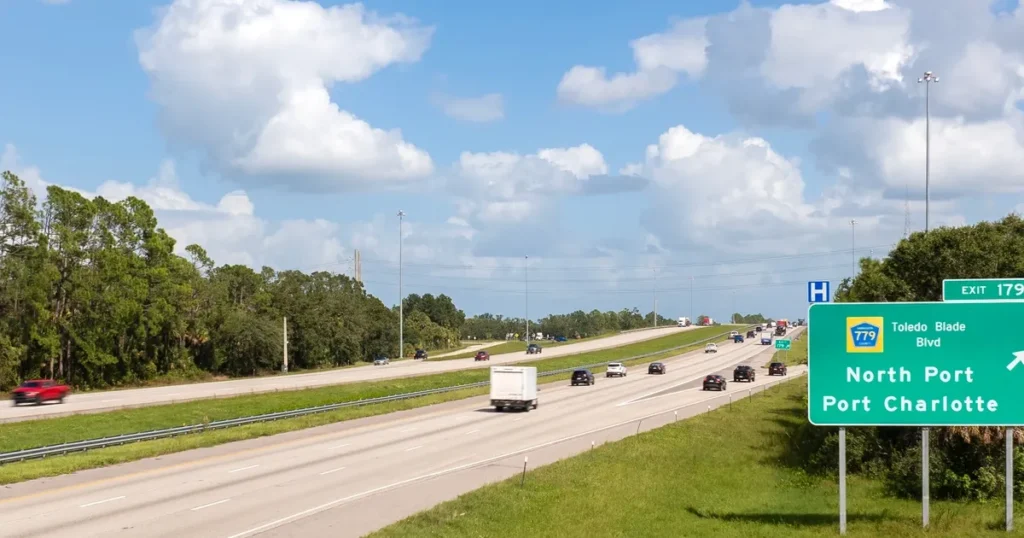
The I-95 corridor through Miami is one of the most heavily traveled and dangerous stretches of highway in the United States. With high speeds, multiple lanes, aggressive drivers, and a constant flow of commercial trucks, accidents on I-95 and other Miami highways like the Palmetto Expressway and Florida Turnpike can be catastrophic.
If you were injured in a highway accident in Miami, your case may be more complex than a typical city street crash. Here is what you need to know to protect your rights.
Why Highway Accidents Are Different
Highway accidents tend to be more severe than urban street crashes for several reasons. Speeds are much higher, which dramatically increases the force of impact. Chain-reaction crashes are common when one vehicle brakes suddenly and those behind cannot stop in time. Multi-vehicle accidents complicate fault determination. And the presence of commercial trucks raises the risk of catastrophic injuries.
Common Causes of I-95 Accidents in Miami
Speeding and Aggressive Driving
Miami has a well-documented culture of aggressive driving, and I-95 is known for drivers who exceed speed limits, change lanes without signaling, and follow too closely. When someone drives aggressively and causes a crash, they are responsible for the resulting damages.
Driver Fatigue
Long-haul drivers, truckers, and workers returning home after long shifts are especially vulnerable to fatigue. Fatigue impairs reaction time and judgment in ways similar to alcohol intoxication.
Distracted Driving
Cell phone use, navigation systems, and other distractions are frequent causes of highway accidents. At 70 miles per hour, one second of distraction means traveling more than 100 feet without watching the road.
Road Conditions
Potholes, poor signage, inadequate lighting, and construction zones can all contribute to accidents. In these cases, the government agency or contractor responsible for road maintenance may be liable.
Critical Evidence in Highway Accidents
Highway accidents often happen at high speed, which can make the scene difficult to document. However, important evidence sources exist.
The Florida Department of Transportation (FDOT) maintains cameras on many sections of I-95 and other major highways. Footage can show exactly how the crash occurred. Your attorney must request this footage immediately.
Modern vehicle black boxes record data such as speed, brake use, and seatbelt status in the moments before impact. This information can be crucial to establishing fault.
Witnesses in other vehicles may have seen the crash. If you can get their contact information at the scene, do so.
Multi-Vehicle Chain Reaction Crashes
Chain-reaction crashes on I-95 can involve dozens of vehicles and multiple liable parties. Determining who initiated the chain of collisions and to what degree each driver contributed requires a detailed investigation.
In these cases, it is especially important to hire an attorney experienced in highway accidents who can coordinate the investigation, preserve evidence, and negotiate with multiple insurers simultaneously.
Claims Against the Government
If your accident was caused in part by dangerous road conditions — such as potholes, poor signage, or poorly managed construction — you may have a claim against the state or local government responsible for maintenance.
Government claims have special rules in Florida. You generally must file a notice of claim within three years of the accident, and there are caps on the amount of compensation you can recover. An attorney can help you navigate these requirements.
Contact 305-EN-DOLOR Today — Free Case Evaluation
At 305-EN-DOLOR, we have experience handling highway accidents throughout Miami, including I-95, the Palmetto, and the Florida Turnpike. We know how to obtain critical evidence before it disappears and how to build a strong case in complex multi-vehicle situations.
We do not charge fees unless we win your case. Call 305-EN-DOLOR today for a free case evaluation. Se habla español.